
Seymour Duncan LIBERATOR with Volume Pot, 250k
 Share
Share
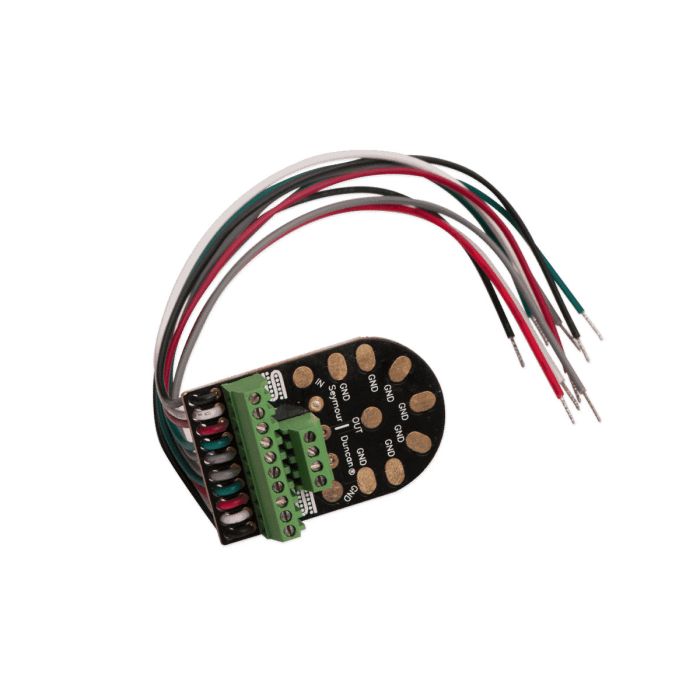
- Brand new in original box
- Full Seymour Duncan manufacturer's warranty
- Free shipping in the continental US
In stock
- SKU
- 11807-01-250k-std
Description
Seymour Duncan LIBERATOR with Volume Pot, 250k
The Seymour Duncan LIBERATOR is a solderless pickup connector system designed to eliminate permanent wiring constraints and simplify hardware swaps. This solution replaces a standard 250k volume potentiometer while integrating a ten-station pickup connector, making it an efficient choice for players who regularly experiment with different pickups or need faster maintenance access.
Connector Architecture
Built around a ten-station pickup connector and a four-station potentiometer connector, the LIBERATOR maintains three primary signal terminals (in, out, ground) plus an additional ground station for bridge or tremolo system integration. The design accepts both bare and tinned pickup leads, accommodating most standard wiring scenarios without requiring fresh soldering during pickup changes.
Compatibility & Installation
This potentiometer works with any passive pickup type—single coils, humbuckers, or HSS (hum-single-single) configurations. Gold-plated solder pads adjacent to the potentiometer connector, combined with seven additional gold-plated oval ground pads, ensure reliable connections and corrosion resistance over extended use, keeping your rig stable through countless gigs and studio sessions.
Key Features
- Replaces standard 250k volume potentiometer
- Ten-station pickup connector for solderless pickup swaps
- Four-station potentiometer connector with three primary signal terminals plus additional ground
- Compatible with bare or tinned pickup leads
- Gold-plated solder pads on potentiometer connector
- Seven gold-plated oval ground pads
- Works with any passive pickup type
- Supports single-coil and HSS configurations
- Integrates bridge and tremolo system grounding
The LIBERATOR eliminates downtime between pickups, letting you swap hardware in seconds without soldering—essential for touring musicians, session players, and anyone who demands zero compromise on reliability and flexibility in their signal chain.
More Information
| Condition | New |
|---|
Reviews
At a Glance
The Seymour Duncan LIBERATOR is a solderless pickup connector system built into a 250k volume pot that lets you swap pickups instantly without soldering—just unplug and plug in a new set. It's built for gigging musicians and experimenters who want to try different pickups on the fly or need quick maintenance access without breaking out a soldering iron. Choose it for reliability on the road, faster gear tweaks, and the freedom to keep exploring your tone without permanent wiring commitments.
Who This Is For
Great for
- ✓ Home Recording
- ✓ Studio Sessions
- ✓ Gigging
Skill level: Intermediate · Advanced · Professional
Frequently Asked Questions
What pickup types does the LIBERATOR work with?
It's compatible with any passive pickup—single coils, humbuckers, and HSS configurations. The ten-station connector accepts both bare and tinned pickup leads, so most standard pickups will drop right in without modification.
Do I need to solder anything to swap pickups?
No—the solderless design is the whole point. Unplug your old pickup connector and plug in a new one; there's no soldering required during swaps, though the initial installation into your guitar does involve standard potentiometer wiring.
What's included with the LIBERATOR?
You get a 250k volume potentiometer with integrated ten-station pickup connector, four-station potentiometer connector with three primary signal terminals plus extra ground, and seven gold-plated oval ground pads for additional routing flexibility.
How does the LIBERATOR handle grounding and signal integrity?
Gold-plated solder pads on the potentiometer connector and seven gold-plated oval ground pads resist corrosion and maintain reliable connections over extended use. The four-station potentiometer connector includes an additional ground station for bridge or tremolo system integration.
Is this better for studio tracking or live gigging?
It works great for both—studio players benefit from instant pickup swaps during sessions to explore tones, while gigging musicians appreciate the faster maintenance and zero downtime if they need to troubleshoot or change pickups mid-tour.
Compare With
Similar Gear
Complete the Rig
Gear that pairs well with this.
✨ For You
Based on what you've been looking at.